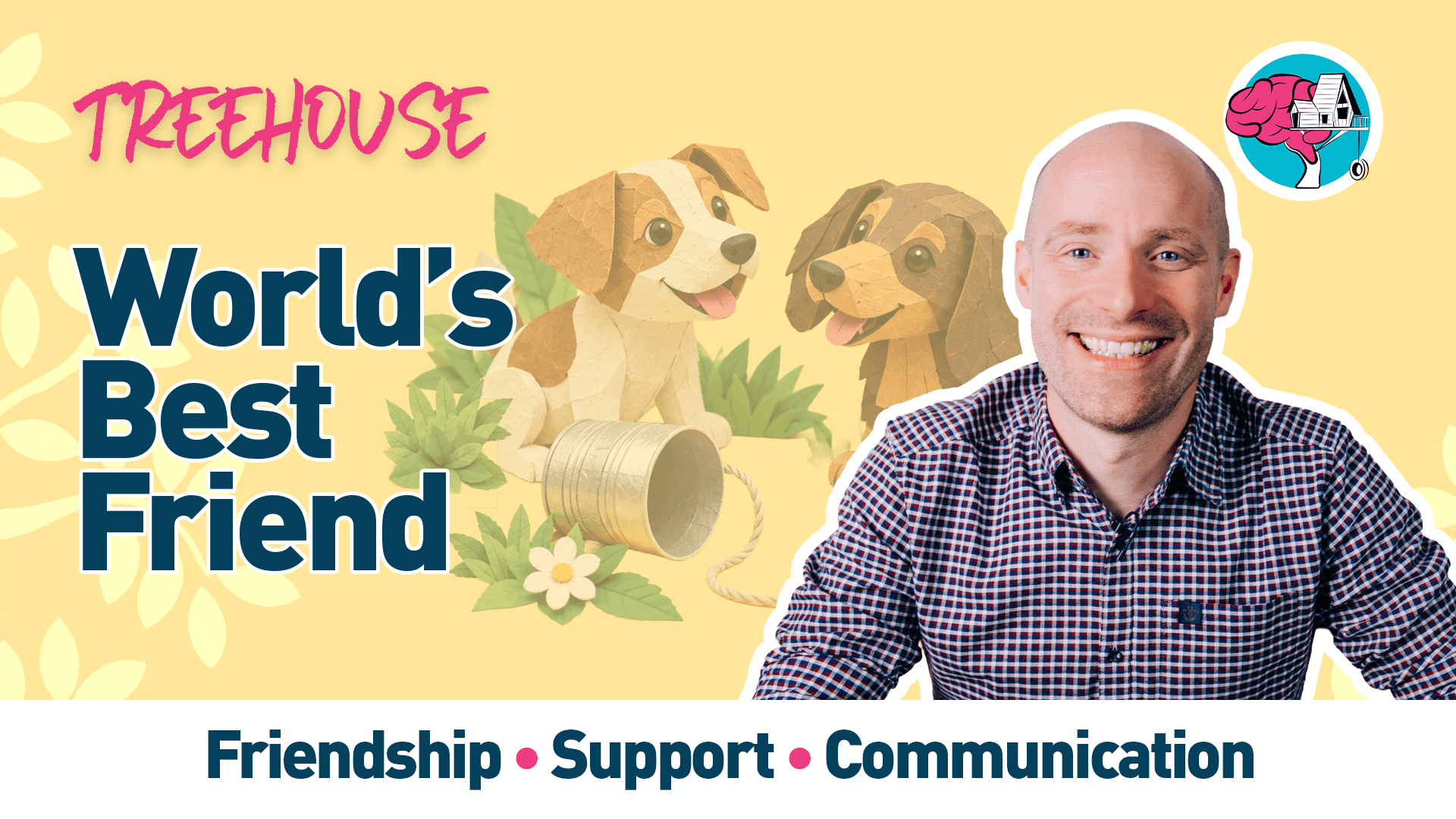
The World's Best Friend
Friendship helps us laugh, learn and feel like we belong. In this module, children explore what makes a good friend and discover that kindness and friendship grow when we choose to share them.
Lesson
Friendship helps us laugh, learn and feel like we belong. In this module, children explore what makes a good friend and discover that kindness and friendship grow when we choose to share them.
Creators publishing across Merve
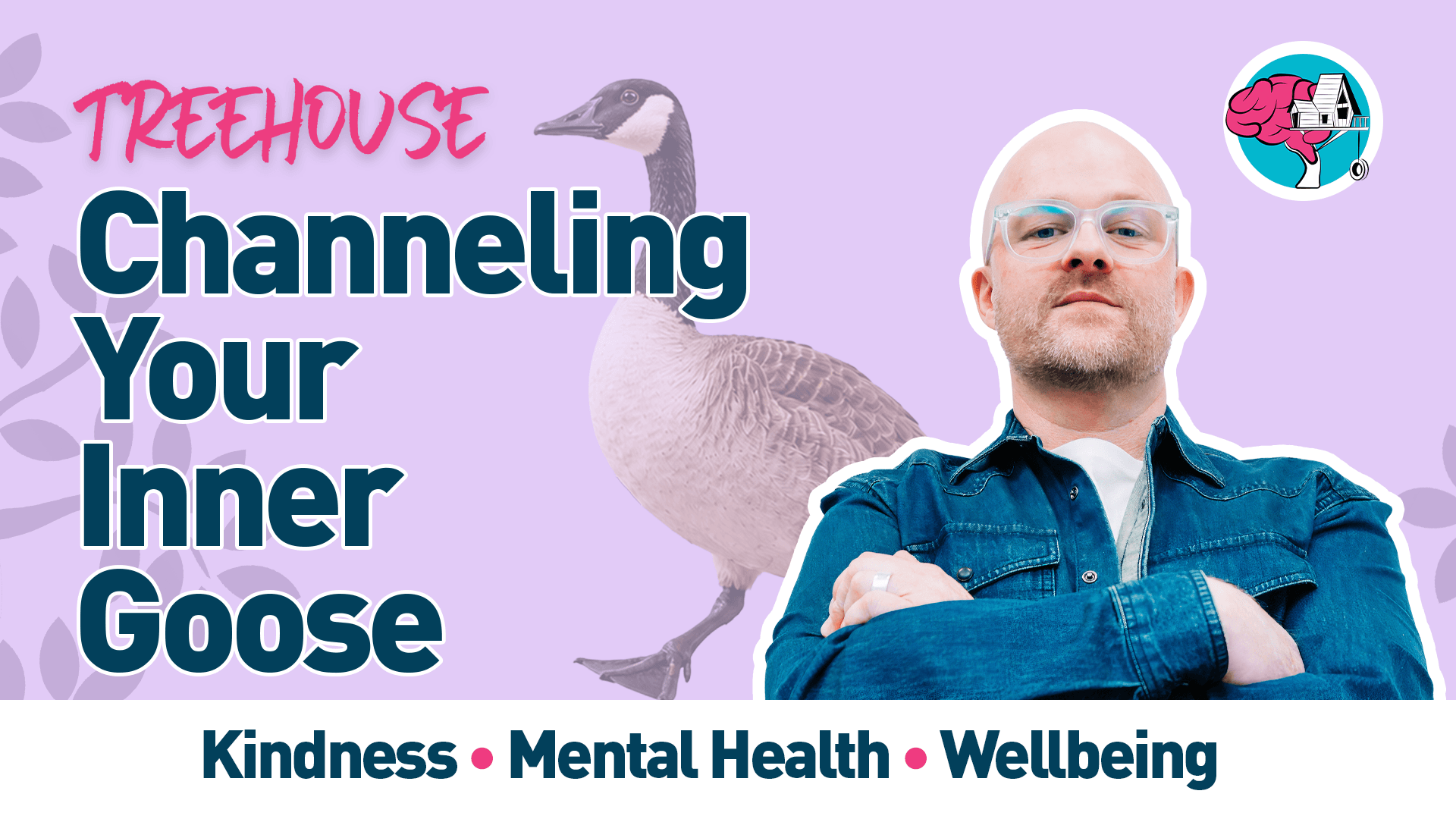
Can we really learn important lessons from geese? If togetherness, kindness and caring are important, then yes! Writing materials are needed for this lesson.
Only your members would see it. Training, policies and onboarding for your team or learners, in the same feed as everything else they learn.
Only shown to your membersSet up a private Space
A practical library on building Claude scheduled agents that find, research and prepare prospects in your CRM, with a person in the loop for every send. Built from a real setup running on Attio, and written to work with any CRM that offers an MCP connection and custom attributes.

What this course is for After this course, you will be able to set up one working, documented, privacy-compliant AI workflow for your own team: A small second brain A saved skill One read-only connection to a system you already use, and one scheduled agent that produces a weekly report a colleague can rely on. Each lesson moves you one step towards it. Throughout this course, you will build each of the following parts: Three second-brain pages for your business (built in Lesson 6, maintained in Lesson 7). One saved skill, with a real before-and-after output (built in Lesson 3). A completed privacy checklist naming every AI account your team uses and its training status (built in Lessons 9 and 10). One agent brief and its first output: a scheduled report with a definition of done, rules for uncertainty, and boundaries (built in Lessons 11 and 12, adapted again in Lessons 13–16). Every lesson's checkpoint is a small rehearsal of one of those four parts. Who this is for Someone who has tried an AI chat tool a few times and suspects it could do more. No technical background needed. Jargon is kept to the minimum and explained the first time it appears. Products are named (Claude, ChatGPT, Gemini, Mistral, Copilot, Attio, Xero and others) because vague advice is useless advice.

Create your personal Space for free. Post articles, videos and courses, and they show up here for people learning the same things.
Create your Space for freeCurious about franchising, but unsure what the journey from teacher to business owner actually involves? This free short guide takes you through the process step by step, from deciding whether franchising fits your life and finances to researching opportunities, carrying out due diligence and preparing for your first months of trading. Written by Franchise Foundry in partnership with Those Who Can, it offers a realistic starting point rather than a sales pitch. You do not need to have chosen a franchise, or even decided that franchising is right for you. Who this course is for This course is for serving and former teachers who: are curious about franchise ownership; want to understand the likely stages before approaching a brand; would like to compare franchising with other career or business options; or have already found an opportunity and want to ask better questions. What you will learn By the end of the course, you will be able to: recognise how teaching experience can transfer to franchise ownership; assess your preferred level of investment, responsibility and risk; compare franchise opportunities more critically; identify the financial, legal and practical checks to complete; plan a possible transition around your own timetable; and understand the priorities during launch and early trading. Important note Franchise Foundry originally wrote this roadmap with hospitality franchises in mind. That is why some examples refer to cafés, pubs, food costs, premises and larger opening teams. However, the underlying principles apply to almost any franchise a teacher may be curious about, including tutoring, children’s activities, education, wellbeing, professional services, home-based and mobile businesses. Not every franchise requires premises, employees or a large investment. As you work through this guide, translate each stage to the type of opportunity you are considering. Where a hospitality example does not apply directly, ask: What is the equivalent risk, cost or operational responsibility in this business? This guide is for general information and reflection. It is not financial, legal, pensions or employment advice. Figures and contractual arrangements vary between franchises and can change. Always check current information and seek appropriately qualified independent advice before committing.
Thinking about tutoring but not sure where to start? Whether you're looking for a flexible side income, considering tutoring full-time, or simply exploring your options beyond the classroom, this course will help you understand what tutoring really involves. Created by experienced teachers and education professionals, you'll explore the different tutoring pathways available today, from freelance tutoring and online platforms to tuition centres and franchises. You'll hear real experiences, discover the skills that make teachers exceptional tutors, and gain practical advice to help you decide which route is right for you. By the end of the course, you'll have a clearer understanding of the tutoring landscape, the opportunities available, and the confidence to take your next step. Perfect for teachers who are: Exploring tutoring for the first time Looking to supplement their income Considering a move into full-time tutoring Interested in alternative careers within education Curious about the different ways to build a tutoring business

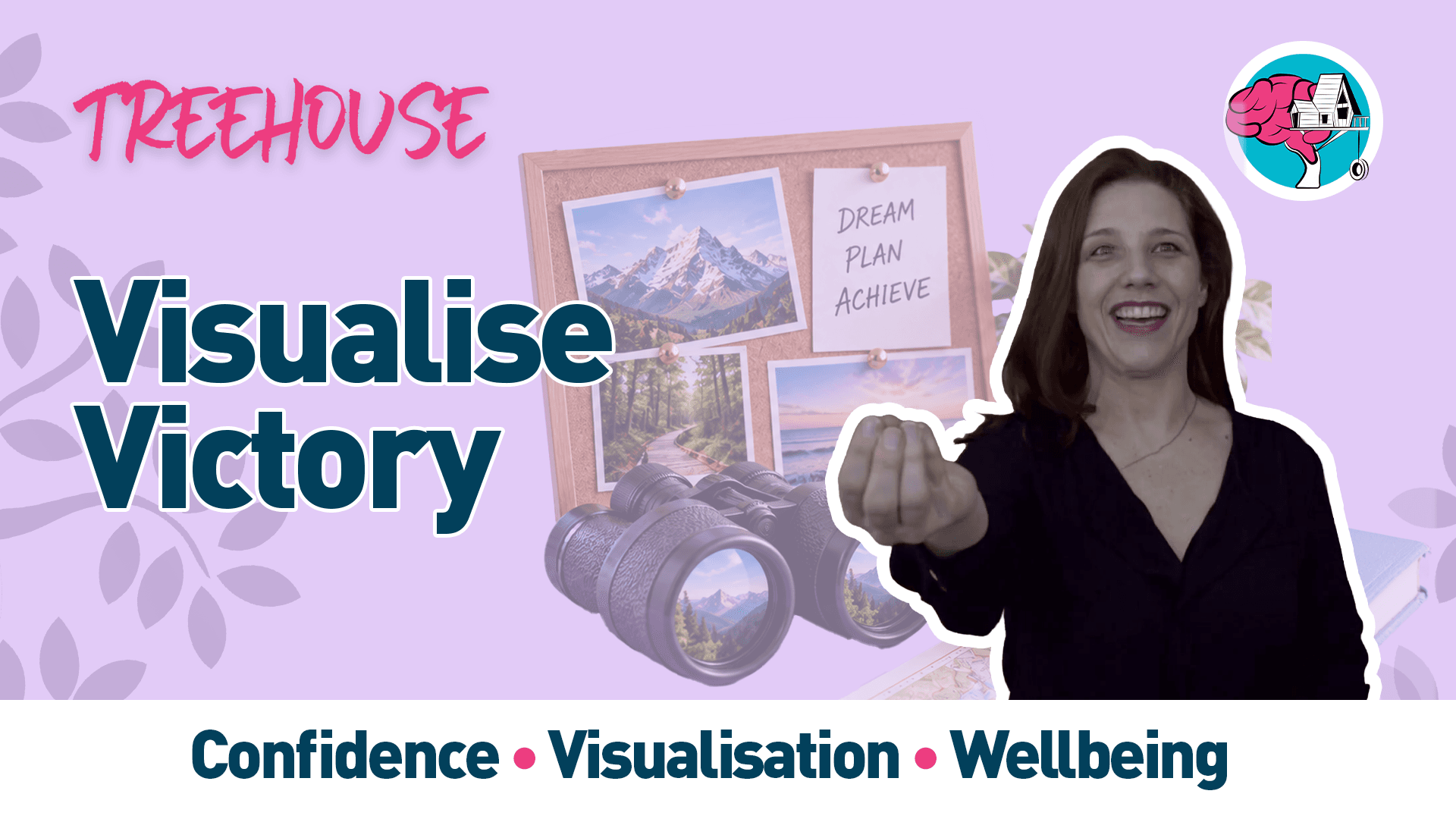
Everything starts as an idea before it becomes real. Learn a success habit used by top performers to overcome fears and reach goals. Writing materials are needed for this lesson.
Slow and steady wins the race. Resilience is all about trying your best, coping with change and thinking before you react. Let's explore!
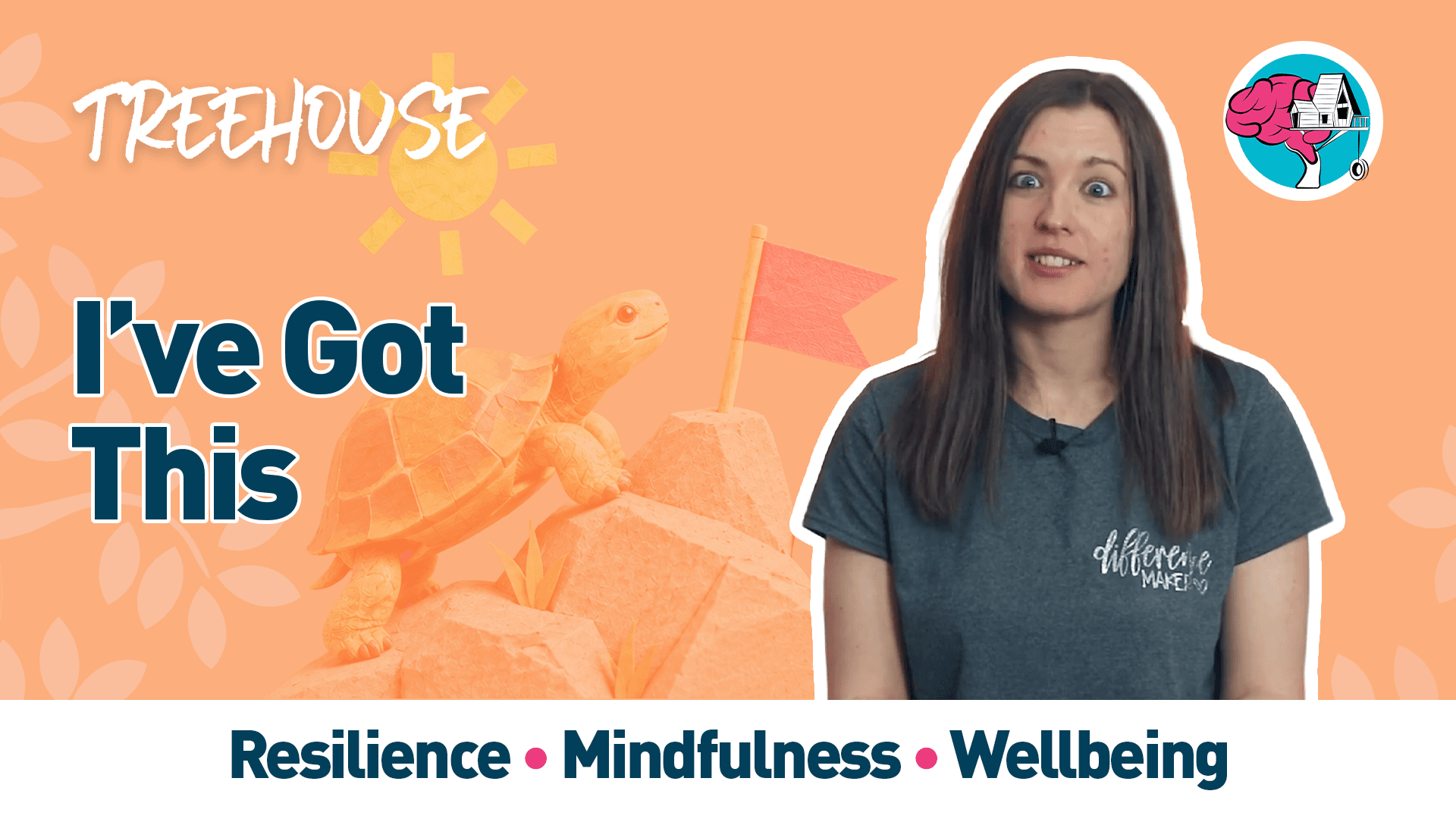
Asking for advice can be difficult, but getting help is all about taking responsibility for yourself. Explore problems from different angles using improvisation. Writing materials and an envelope or shoebox would be great for this lesson.
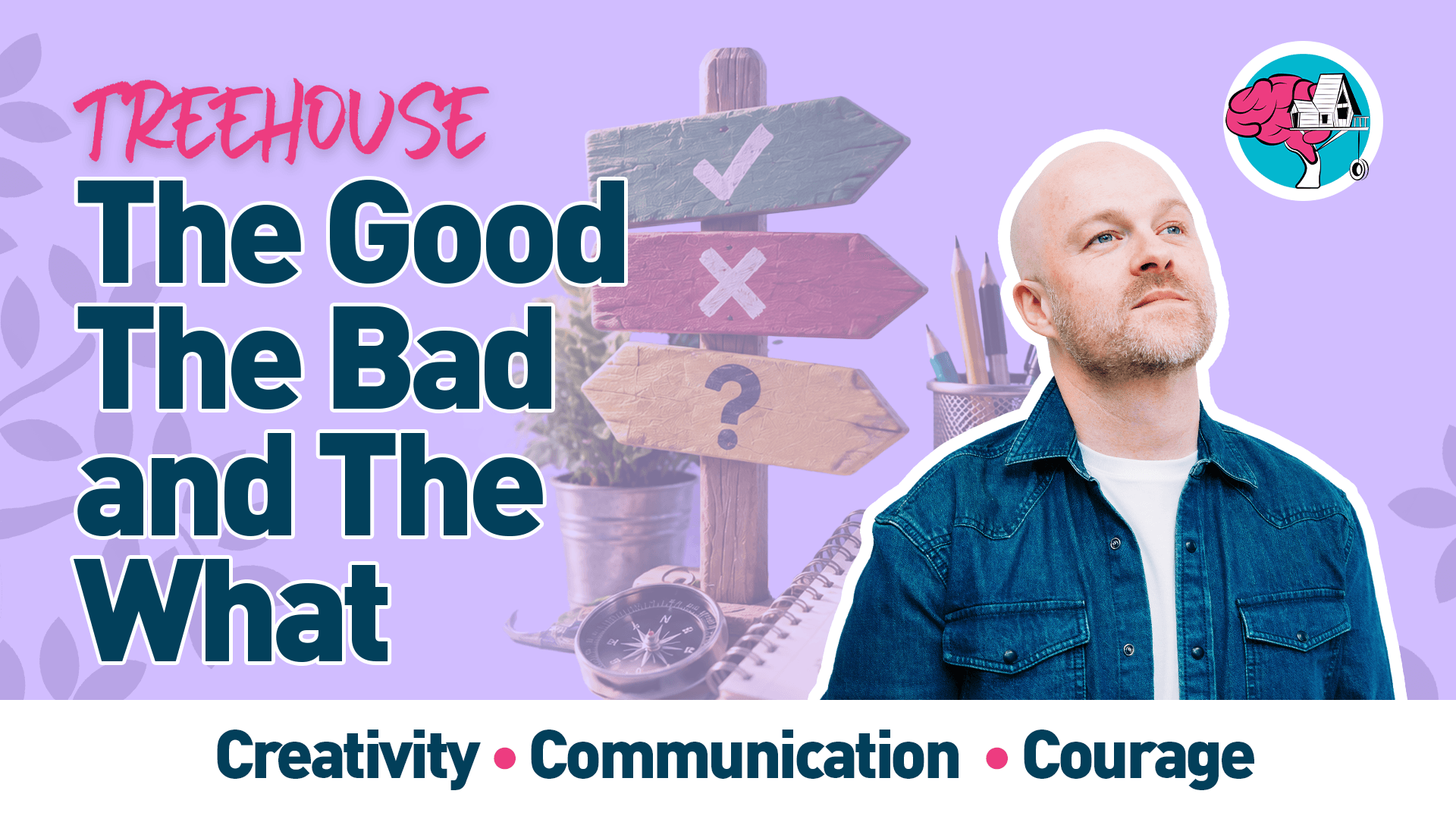
What does respect really look like? Children explore four ways to show respect: to ourselves, to others, to our school, and to the environment. Art and craft materials and a large sheet of paper work well for this lesson.
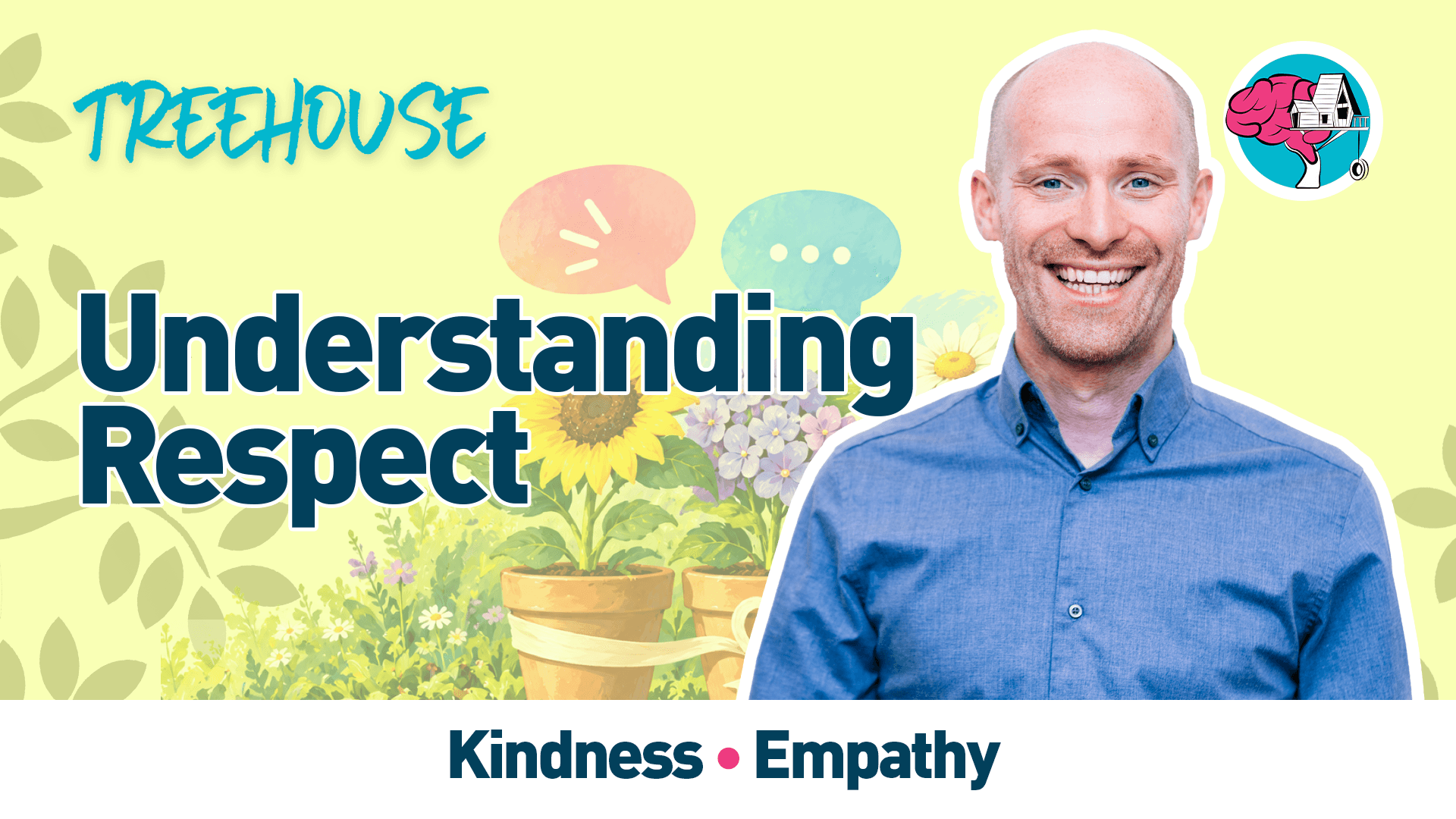
Everyone has their own superpowers! Children explore the skills, talents and qualities that make them unique. Writing materials are needed for this lesson.
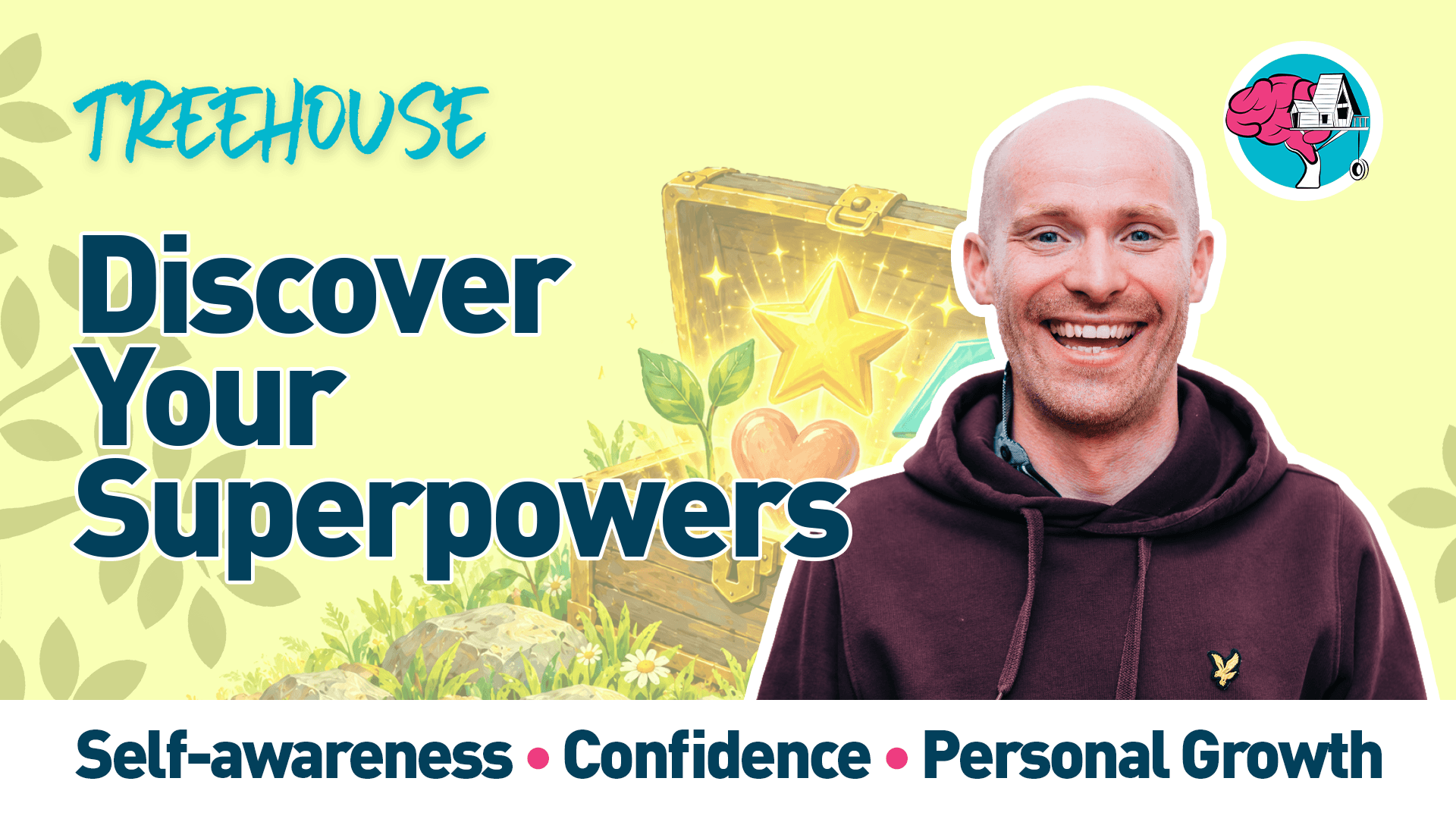
Our heroes all started somewhere. Discover how effort, choices and mindset help people achieve success. Writing materials are needed for this lesson.
Discover what it means to bounce back when things get tricky! Children will explore resilience through play, learning that it’s okay when things don’t go to plan.
Making mistakes is part of learning. In this lesson, children discover that getting something wrong does not mean giving up. A small ball or beanbag, paper and colouring pencils are needed for this lesson.
Our feelings can change throughout the day, and our bodies can give us clues about how we feel. In this lesson, children explore different emotions and discover simple things they can do to look after their minds and get support when they need it. Paper and colouring pencils are needed for this lesson.
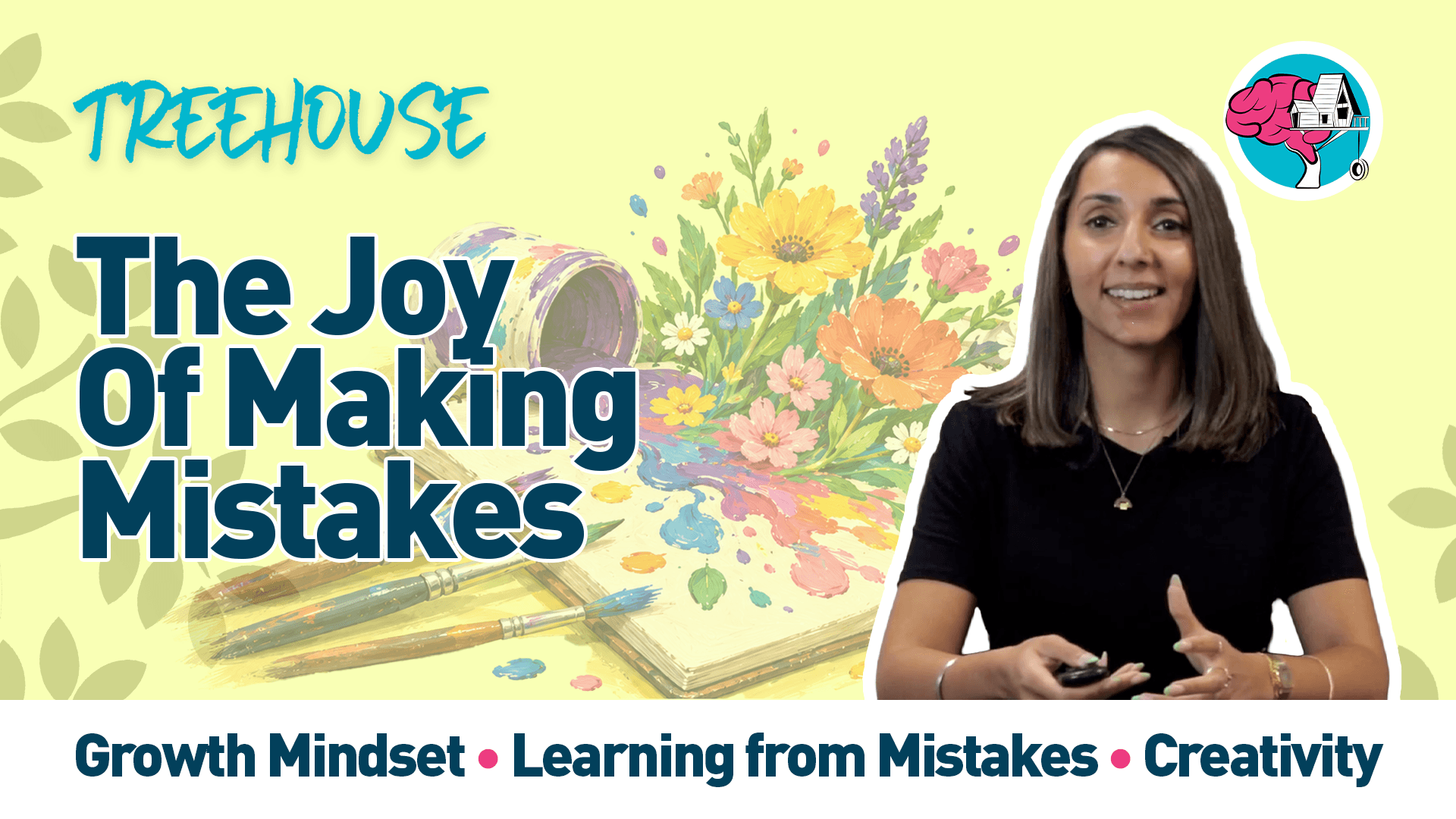
Mistakes are a normal part of learning and can sometimes lead to surprising discoveries. In this lesson, children explore famous mistakes and discover how getting things wrong can help us learn. Paper and colouring pencils are needed for this lesson.
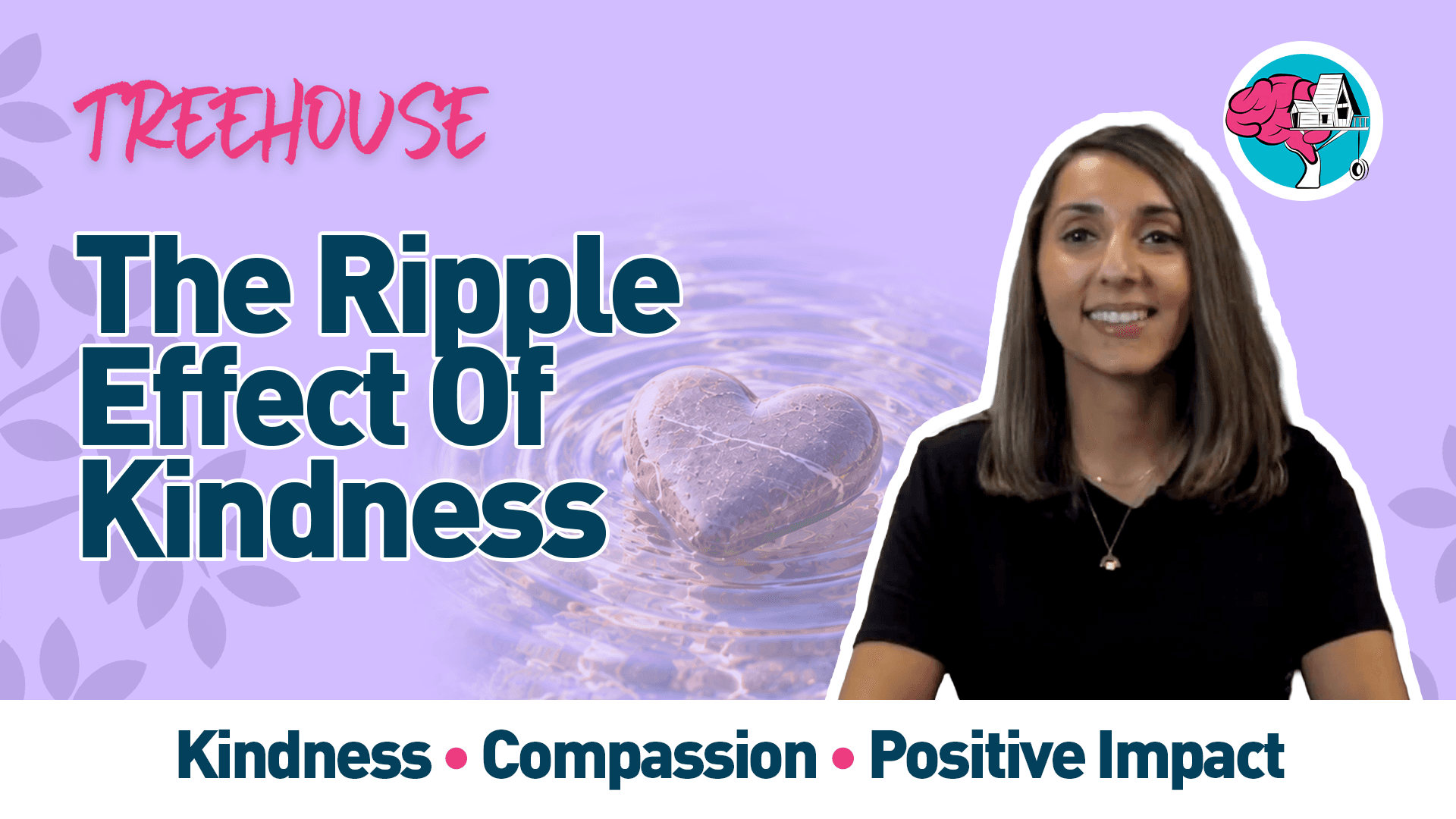
Small acts of kindness can have a much bigger impact than we realise. In this lesson, children explore what kindness looks like, how it affects them and others, and how their actions can create a ripple of kindness throughout their school. A jar or container is needed for this lesson.
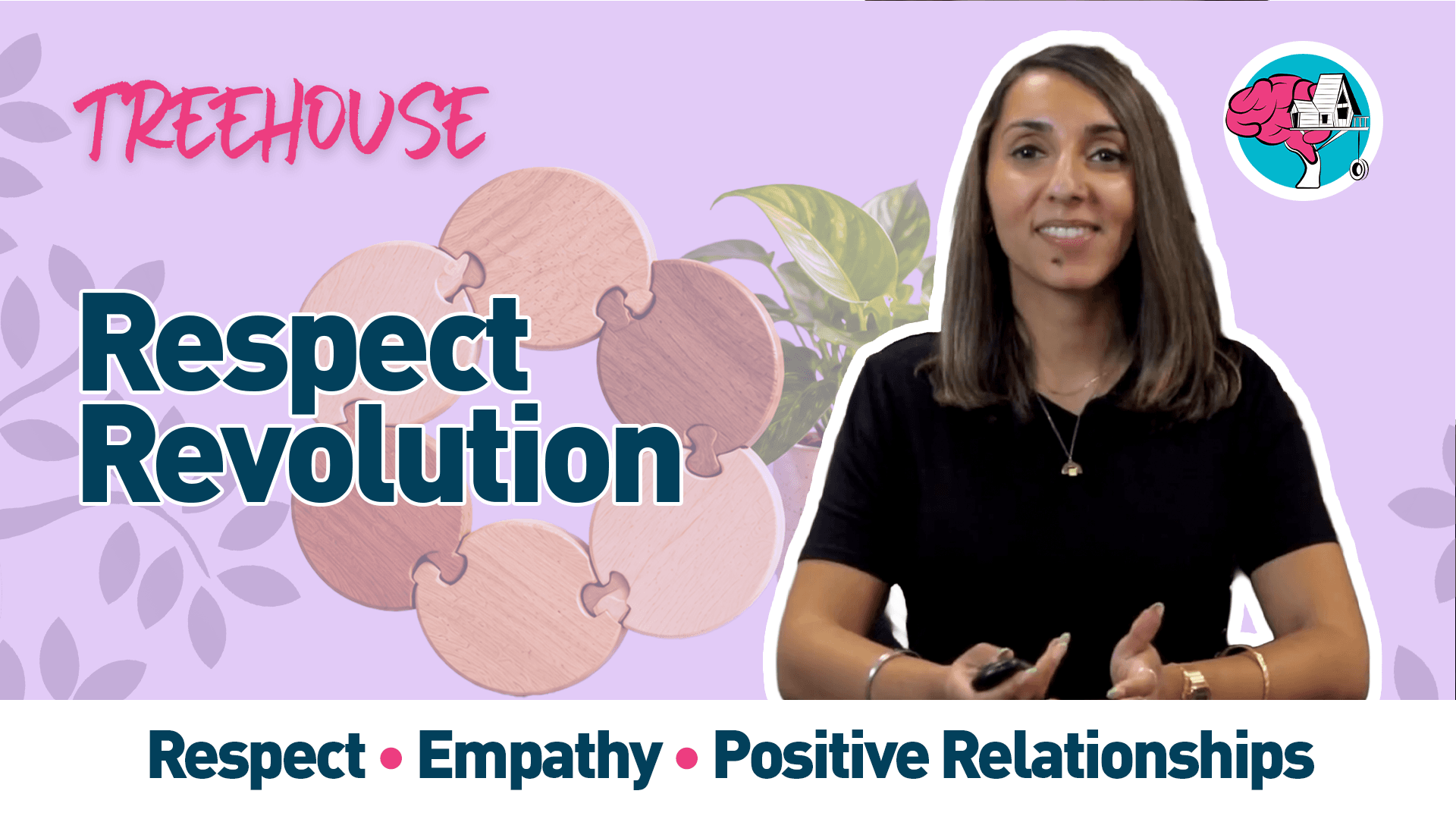
Respect is about recognising the value of ourselves, other people and the world around us. In this lesson, children explore what respect means, discover different ways we can show it and consider how one action can create an impact that spreads further than we might expect.
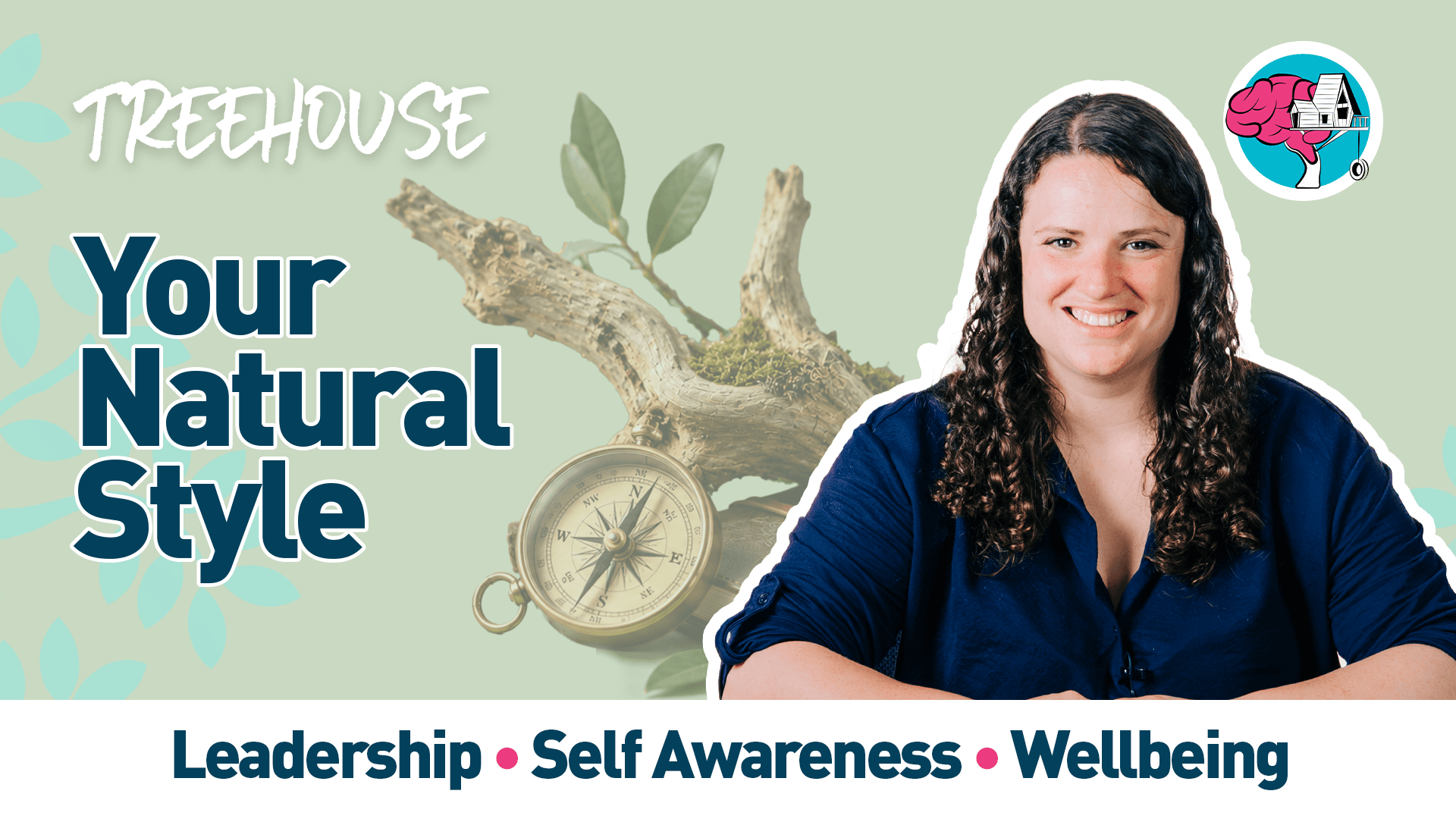
We all have a natural leadership style, it’s time to uncover it and discover how you can adapt it to meet the situation you are dealing with.

Practical guides for getting the most out of Merve — course design advice, feature tips, and tricks straight from the…
Course · Leading a team